CO₂e per kg of fries
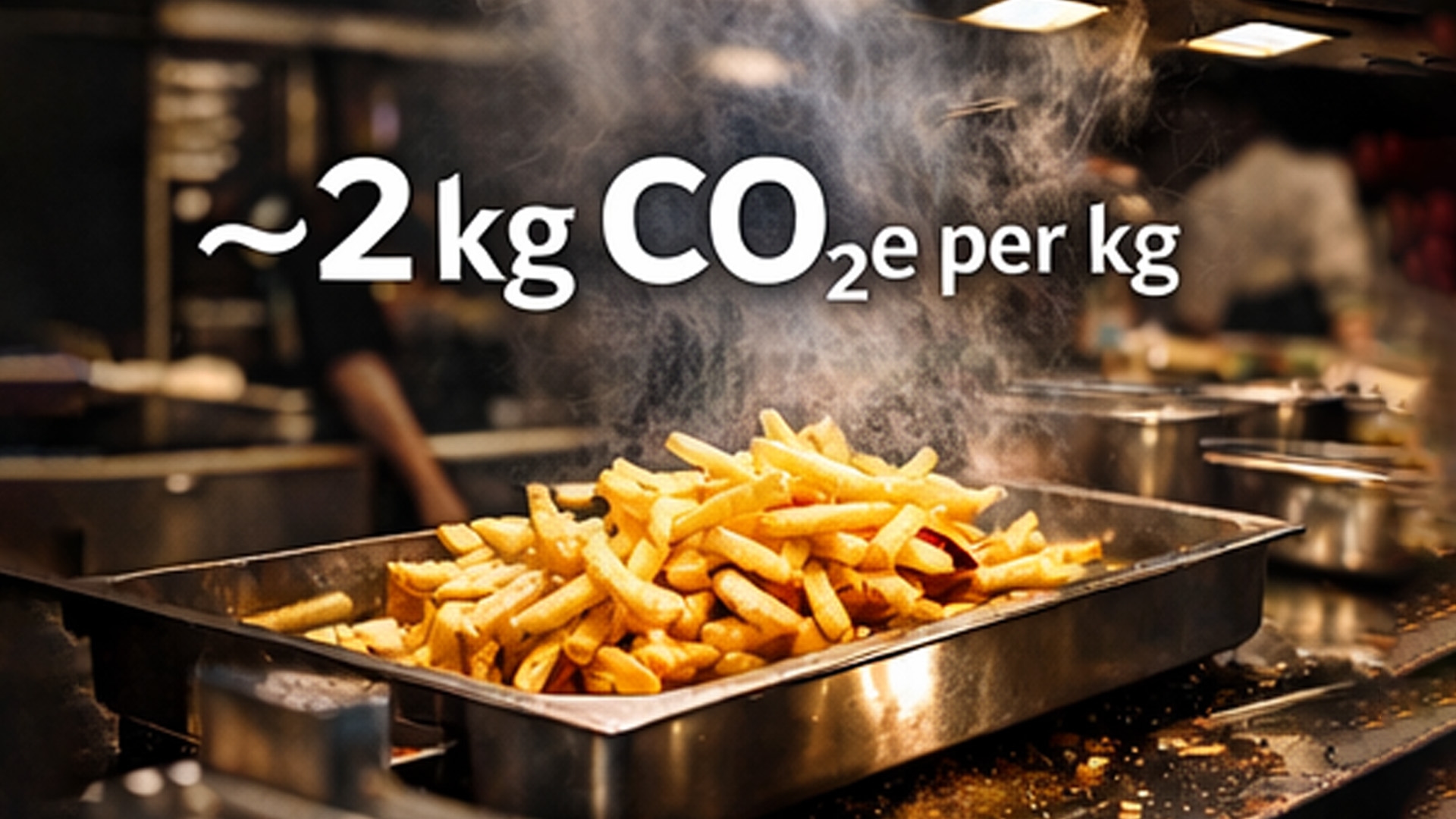
Every kilogram of fries carries an average footprint of ~2 kg CO₂e
2 kg CO₂e per kg of fries: why foodservice must act now
Every kilogram of fries carries an average footprint of ~2 kg CO₂e. Scale that across the millions of portions served daily and the impact becomes impossible to ignore. The upside? Small, practical changes - made consistently will add up fast. Choosing suppliers with measurable reduction targets is one of the quickest ways to make menus more climate-friendly.
Why 2 kg CO₂e matters in your kitchen
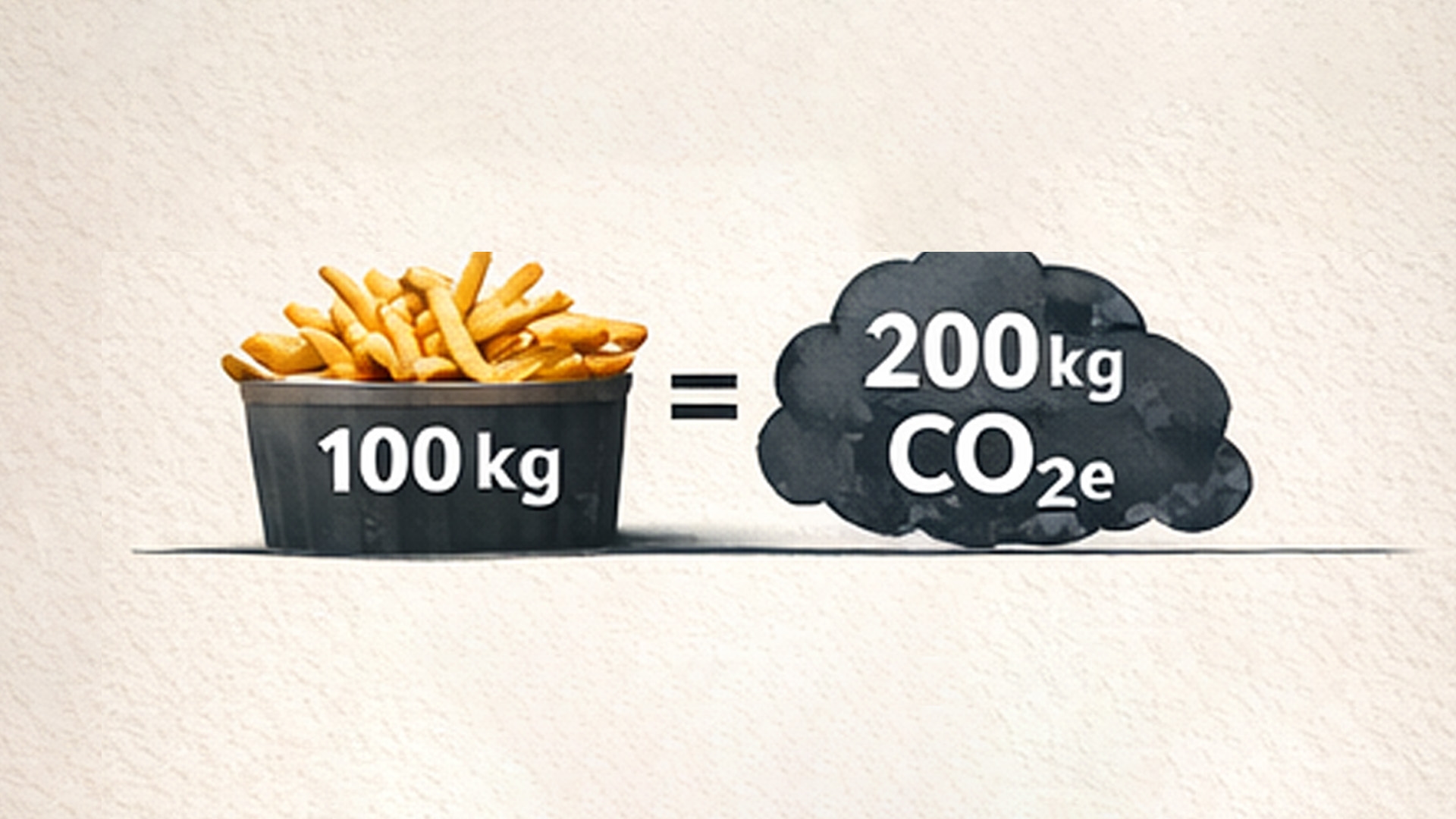
If a site serves 100 kg of fries a week, that’s roughly ~200 kg CO₂e—before you even consider avoidable food waste or inefficient storage/cooking. Multiply by 52 weeks and the numbers stack up. Acting now protects margins, reduces risk, and keeps you aligned with customer expectations and incoming regulation.
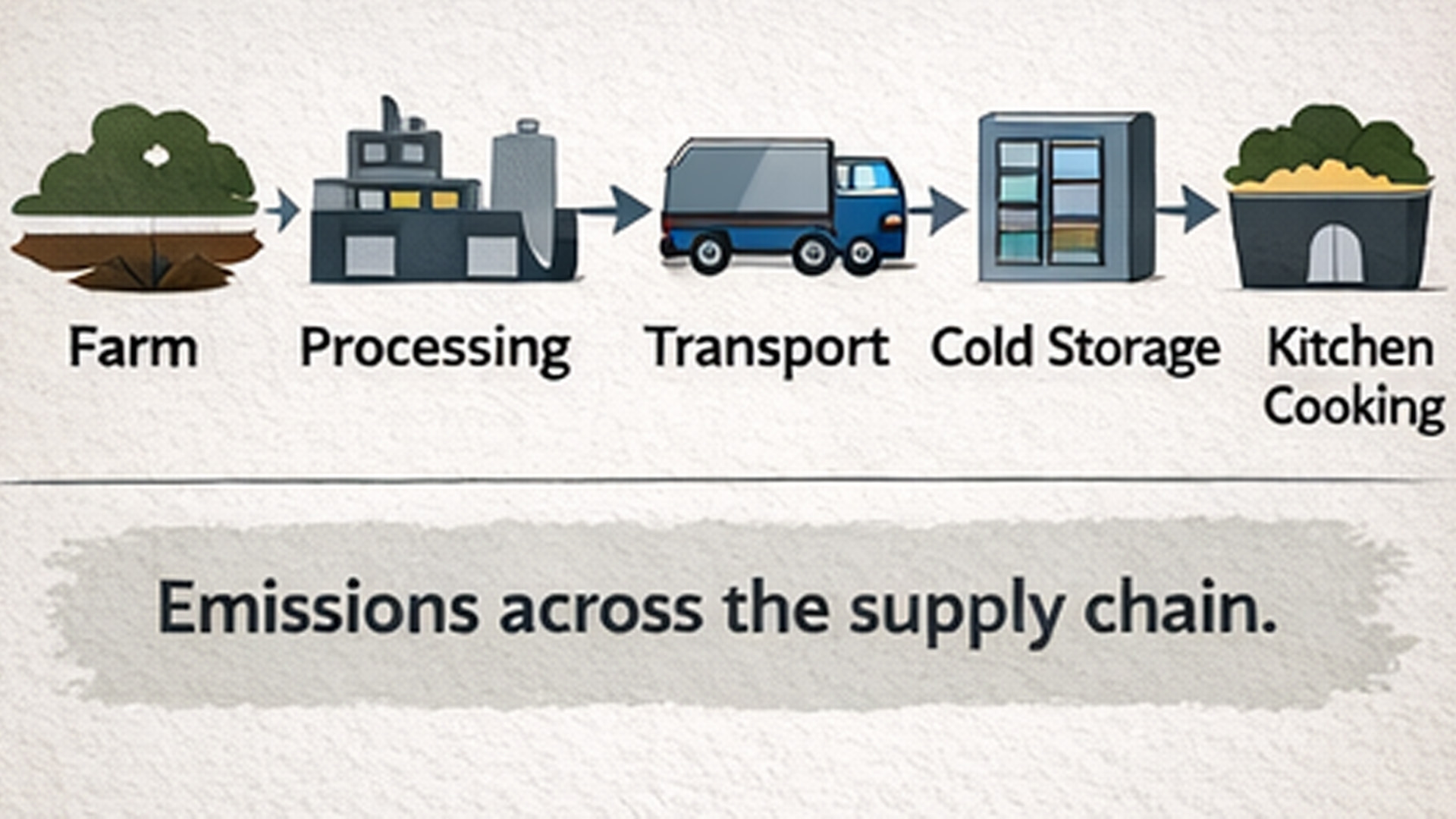
Where the footprint comes from (at a glance)
Potatoes and other vegetables are incredibly carbon friendly compared to other food items, so we're commited to reducing even further! The carbon footprint of fries comes from multiple stages in the value chain: on farm practices, processing and freezing, logistics and storage, and in-kitchen cooking and waste. Operators may not control everything, but they do control the choices they make.
Quick wins operators can take today
Buy from suppliers with science-based targets: Aviko has committed to SBTi-aligned reductions and a roadmap to cut CO₂ by 45% by 2030.
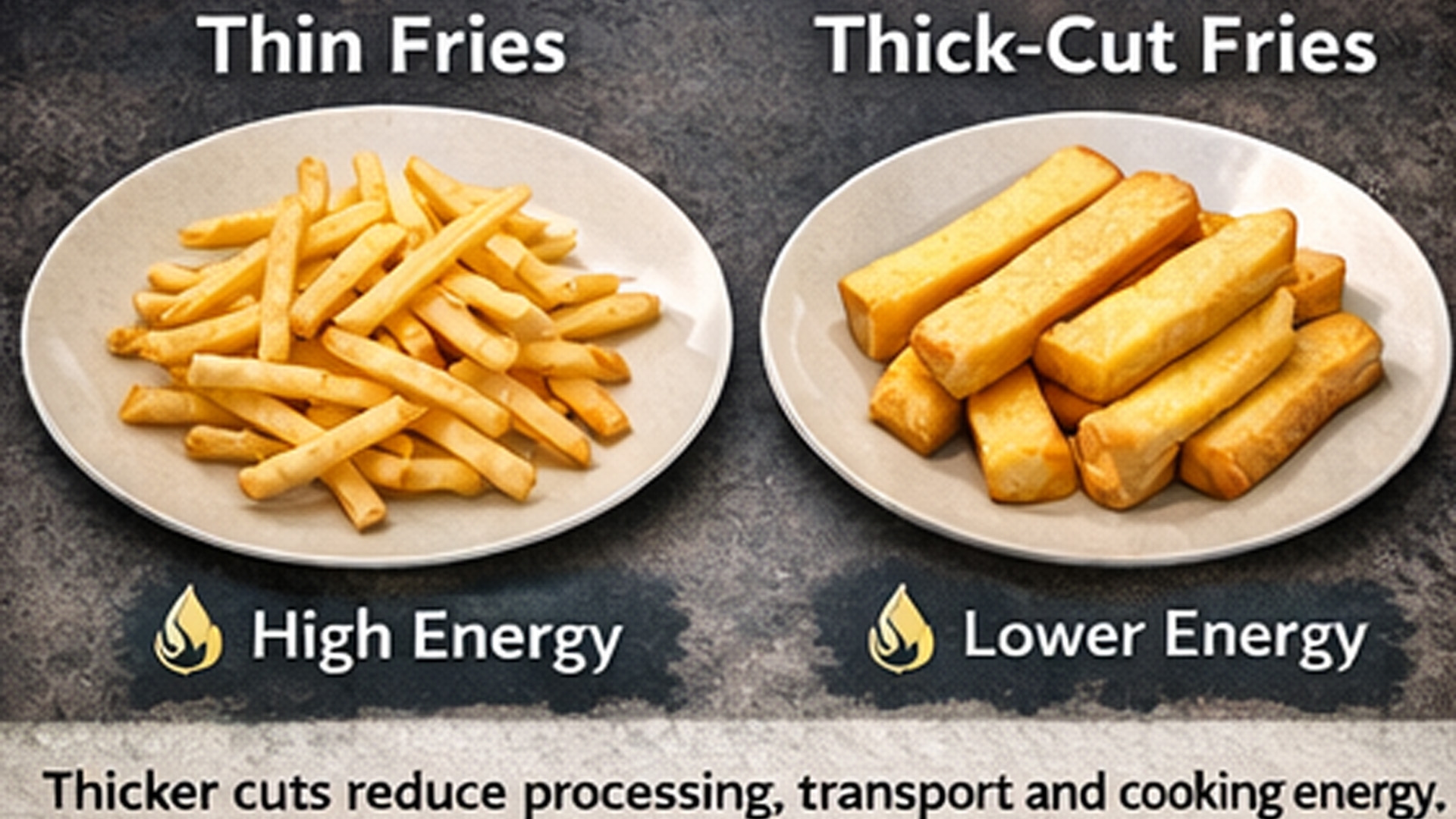
Choose product formats with lower impact: Thin-cut fries require more energy across processing, transport, and cooking. Thicker cuts reduce impact without sacrificing taste.
Attack food waste: Structured menu/portion planning and training can deliver up to 50% waste reduction.
Prefer circular energy & water: Manufacturers that reuse process water to generate biogas keep energy costs low.
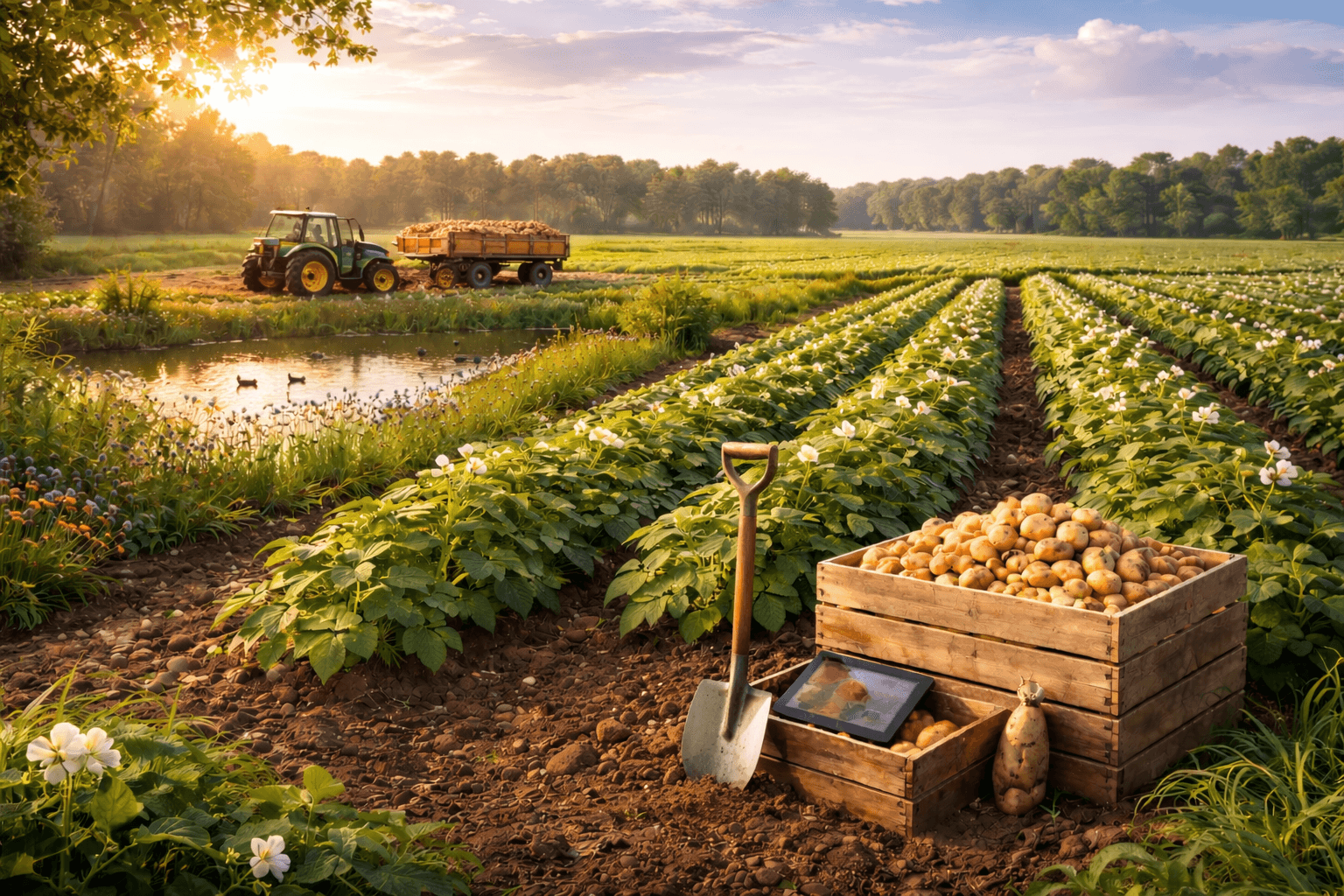
Support better farming: Programmes that provide growers with soil testers and nitrate-reduction support improve yields and cut emissions at the root.
Summary of Quick Wins:
| Action | Effort | Impact | Next Step |
| Switch to thicker-cut fries | Low | Medium | Trial SKUs; update spec cards |
| Choose SBTi-committed suppliers | Medium | High | Request targets & roadmap |
| Run a structured waste-reduction plan | Medium | High | Portion/menu tweaks; training |
| Prioritise circular water/biogas sites | Medium | Medium | Add to buying criteria |
| Farmer support (soil/nitrate tools) | Medium | Medium | Ask for farm programme details |
What Aviko is doing (and why it helps you)
Aviko is taking practical steps to reduce emissions and support operators:
- Future-Proof Farming: tools for growers to cut emissions.
- Biogas & water reuse: turning process water into biogas to reduce fossil fuel cost.
- Energy efficiency at scale: freezer optimisation such as –15 °C policies to cut energy by roughly a third.
- Proven waste reduction: programmes delivering up to 50% food waste cuts.
- Science-based targets: a 45% CO₂ reduction by 2030, aligned to SBTi principles.
- End-to-end pilots: testing reductions across the full supply chain—from farm to fork.