From Food Truck To Restaurant Chain: Scaling Up Your Culinary Concept
Food trucks and food halls have become success incubators for many restaurants. But how can you transition from a small food service point to a thriving brand or even a restaurant chain? Discover our recipe for scaling up your culinary concept.
In this article, you will learn:
- How to turn a single food truck into a chain of restaurants
- How food trucks help premium restaurants reach a wider audience
- Why food trucks or food hall stalls are ideal starting points for a restaurant chain
- Where to begin scaling your food business and what to keep in mind
- How to accelerate the growth of your concept
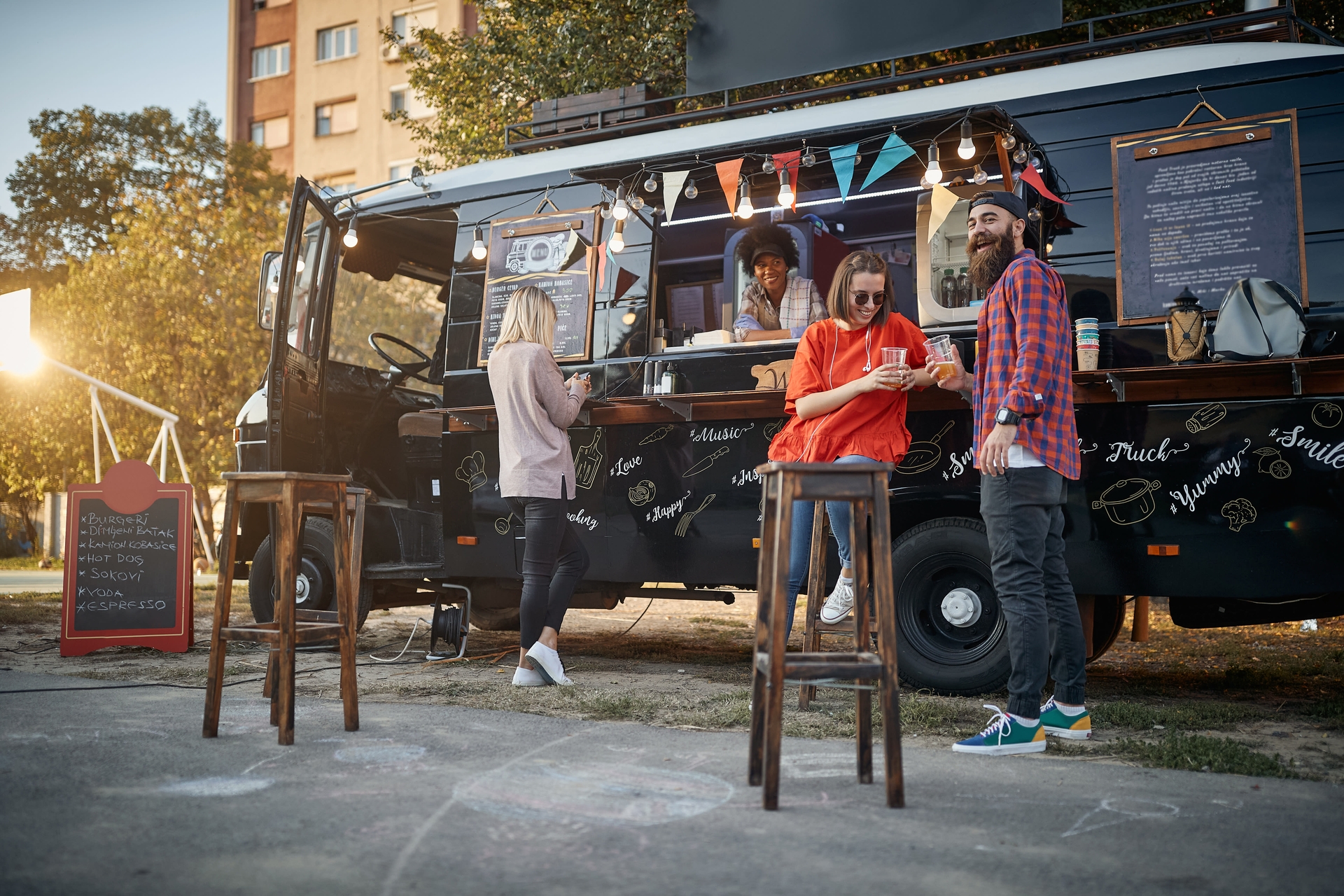
Food trucks and food halls offer a convenient, diverse and affordable alternative to traditional dining for guests. For restaurateurs, they are great incubators of culinary creativity. Operating from a truck or booth allows young chefs and entrepreneurs to experiment while keeping costs lower than those of a full-scale restaurant. This makes them an ideal foundation for growing a food business.
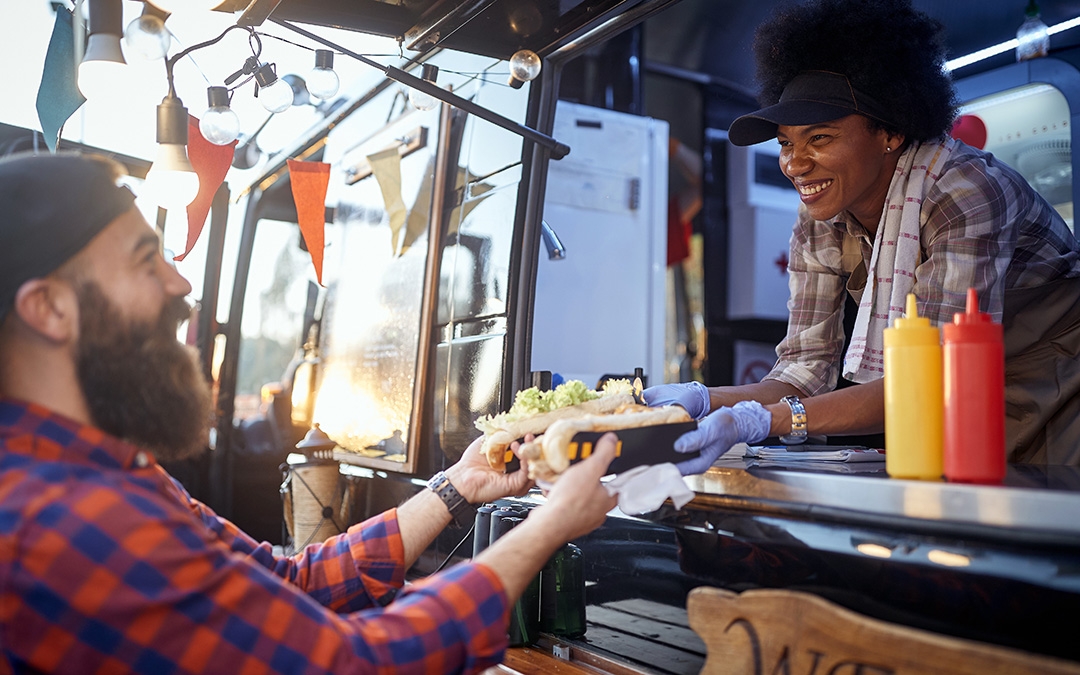
Food Truck Fleet, Or Bust: The Journey Of A Culinary Dream
Can aspiring chefs or restaurateurs dream of owning a full-fledged restaurant? Absolutely! It all begins with an idea and passion, much like Taco Bell’s story in the 1960s. Inspired by Mexican cuisine, founder Glenn Bell began experimenting, aiming to introduce Americans to flavors from south of the border. He eventually launched a fast-food restaurant, a familiar format to Americans, serving Mexican dishes.
Whenever there is a need to introduce new cuisine or a novel way of serving food, it often starts with a mobile setup. This was true for the French chain Le Camion Qui Fume, which began in 2011 as a single food truck serving American classics in France. It quickly gained recognition for its unique burger preparation and commitment to fresh, high-quality ingredients.
However, sometimes growth requires a shift in concept. The Halal Guys, for example, started as a hot dog cart in New York City. After realizing the demand for halal food among Muslim taxi drivers, they pivoted to dishes like gyros with pita or rice. This change led to massive success.
Though the journey from food truck to restaurant chain can vary, one thing is certain: you should only consider a permanent location once you have built a base of returning customers and a stable income stream. If you can serve 75-85 guests per day during peak hours, managing a restaurant may be within reach.
Food Stalls As Premium Restaurant Incubators
In 2008, Roy Choi’s Kogi Korean BBQ food truck in Los Angeles revolutionized the industry by combining Korean BBQ with Mexican burritos and tacos. This shift challenged traditional fine dining norms, proving that gourmet food could be enjoyed as much from a paper plate as in a chic setting.
Today, it is no surprise when a concept that began in a food truck or food court stall evolves into a fine dining experience. Momofuku Noodle Bar, founded by David Chang, started with a simple, high-quality concept that quickly gained popularity, leading to multiple locations across the US. Despite the chain's upscale interiors and exclusive menu items, the essence of the food remains unchanged, still reminiscent of the flavors once served from a food truck window.
Premium restaurants can also use food trucks and stalls to engage younger customers who may not be ready for extravagant dining. For example, New York City's Eleven Madison Park, which has three Michelin stars, launched a food truck called EMP Summer House, offering affordable seasonal dishes in a casual setting. This allowed a younger, less affluent audience to experience luxury cuisine, potentially leading them to visit the main restaurant in the future.
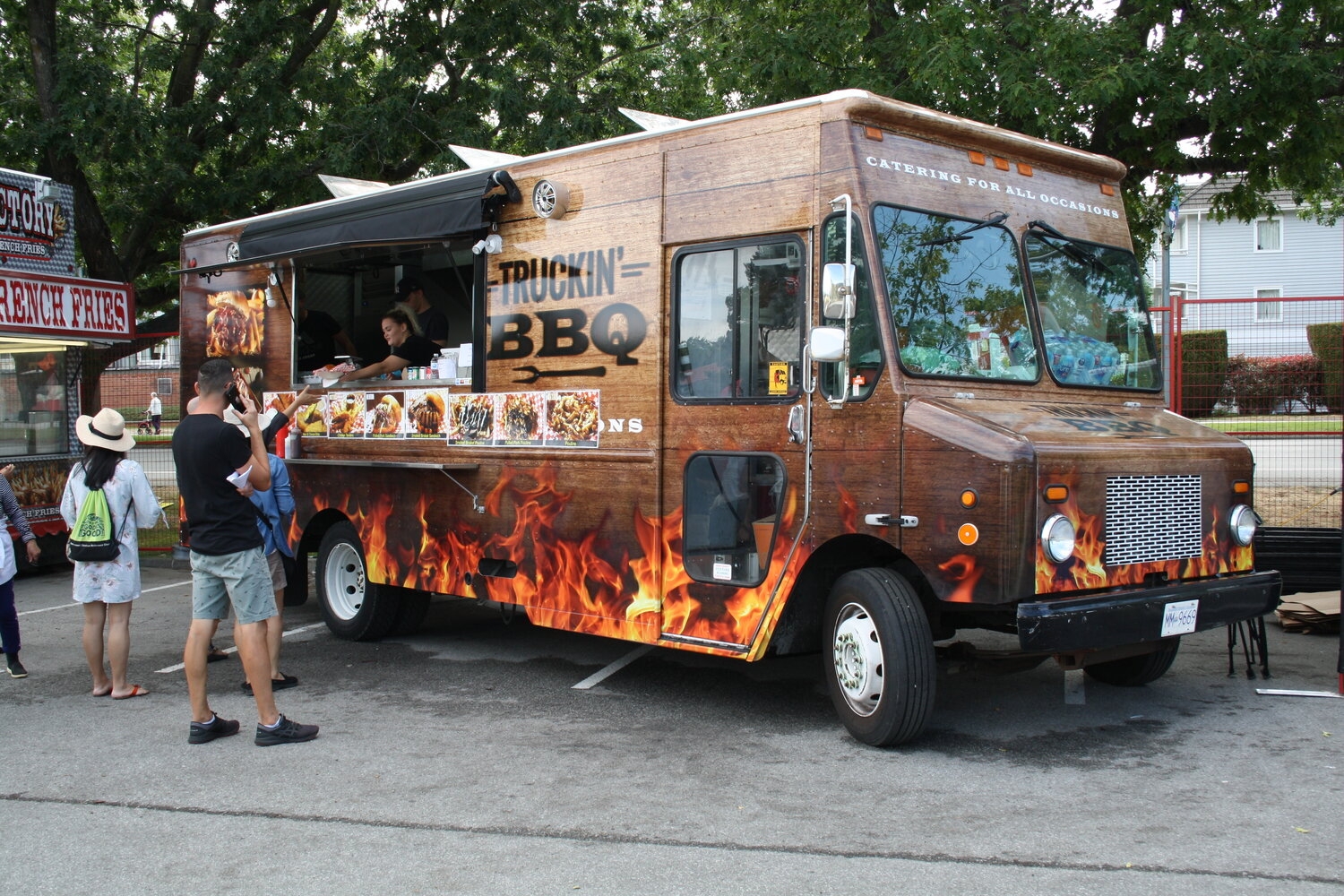
A Culinary Laboratory On A Budget
Food trucks, stalls, and pop-ups provide the perfect testing grounds for a new business. They allow entrepreneurs to test concepts in real time, keeping costs much lower than those of a full-scale restaurant. The limited working space and lower operating costs of these setups make them a practical choice for building a brand and a loyal customer base.
Food trucks, in particular, benefit from the absence of regular rent payments, only incurring one-time fees for festival parking and utilities. While food hall stalls do pay rent, it is significantly lower than that of a traditional restaurant, especially when located in prestigious areas.
Another advantage of mobile setups is flexibility. Food trucks can relocate depending on demand, even multiple times a day. This mobility is beneficial if sales are lower than expected at one location. Food hall stalls, meanwhile, often come equipped with essential kitchen equipment, lowering the financial burden on new restaurateurs. Additionally, food hall owners usually offer marketing support, allowing newcomers to focus on growing their business without worrying as much about customer acquisition.
Exploring Franchising: A Low-Risk Path To Restaurant Ownership
Starting a food business, be it a restaurant or a mobile setup, requires a significant effort. Often, it takes years of perseverance, along with personal investment, before achieving success. According to the National Restaurant Association, 30% of new restaurants close within the first year. To mitigate risk, consider becoming a franchisee. This is especially suitable for those new to the food industry or without prior entrepreneurial experience. While franchise owners still bear responsibility, they benefit from an easier market entry.
Before deciding on a food truck, food hall stall, or franchise, ask yourself these questions:
- Are you prepared for the investment? Franchises usually provide detailed guidance on setting up, and some offer financial support.
- Do you want to develop your own concept, or leverage an existing brand? Franchising benefits from brand recognition but limits creative control.
- Do you prioritize freedom or structure? Running your own restaurant allows for autonomy, while franchising requires adherence to the brand’s principles.
- How much more do you need to learn? Independent entrepreneurs learn on their own, while franchisees receive training and support from the brand.
How To Foster Scaling?
Marketing is crucial at every stage of scaling. A solid marketing strategy can help maintain revenues and address any sales issues efficiently. While social media platforms like Instagram and Facebook often replace traditional websites, investing in a professional website is still worthwhile. It enhances your brand's image and attracts a broader range of customers.
Before launching a new location, many businesses build anticipation on social media by sharing behind-the-scenes updates. For example, Ggiata in Los Angeles used Instagram to generate buzz about menu development and staff training before their 2022 opening.
Growing with authenticity
Expansion requires a strategic plan, but as you grow, remember the elements that made your business successful. Balancing growth with staying true to your brand's core values is essential for sustainable success. Authenticity will lay the foundation for a thriving restaurant chain.