How To Spice Up Service For All Generations
In this article, you'll discover: Boomers appreciate loyalty programs, while Gen Z prefers limited interaction, who can be won over by baked bagels, and who prefers healthy drinks and tips for attracting different generations to your restaurant.
How different generations experience dining
A top restaurant is all about the atmosphere for millennials. Boomers look for food classics. Gen X just wants an excuse to socialize. Gen is as unconventional in food choices as in life. So, what to offer to whom and how? Discover the 4 generations of customers of the gastronomy industry. Today's restaurant scene is influenced by four distinct generations, each shaped by unique upbringings and experiences. Their preferences vary widely. Who's into superfoods? Who's all about snacks? Discover strategies for attracting and retaining guests from different age groups.
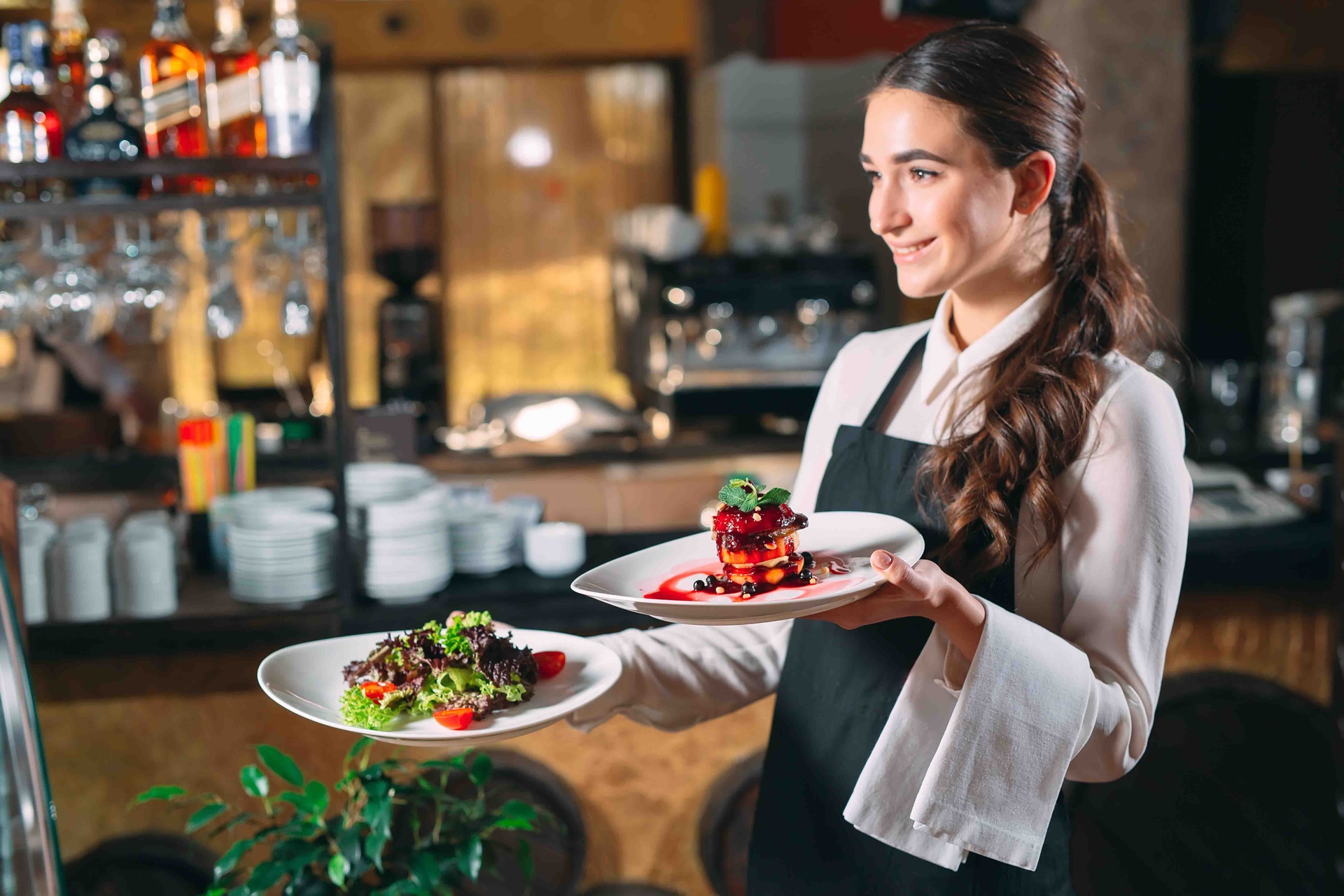
Baby Boomers: embracing the familiar
Boomers, the eldest generation on our list, were born between 1946 and 1964. Coming of age in the post-war era, they experienced limited access to goods but cherished family mealtimes. Renowned for their generous tipping, Boomers are inclined to dine out for lunch, as indicated by a Fairway study. Accessibility is key for them, so restaurants should ensure convenient access. With less reliance on social media, their in-person experience matters most. Offering coupons or promotions can enhance their dining experience.
Traditional recipes
For baby boomers, tradition embodies authenticity and culinary excellence. They gravitate towards restaurants offering dishes crafted from time-tested recipes and classic culinary traditions. These establishments evoke nostalgia, stirring memories of childhood comforts. Boomers feel most at ease in cozy inns or traditional eateries, where menus feature familiar ingredients and traditional flavour combinations. Their hearts do not beat faster at the sight or smell of trendy or innovative culinary experiments.
Local produce
Boomers are drawn to regional cuisine and locally sourced ingredients, seeking authenticity in their dining experiences. For instance, Arizona-based Chompie’s Restaurant has found success with its baked bagels. These are used to craft sandwiches featuring tuna, roast chicken, or beef. With a history dating back to 1979, Chompie's loyal clientele, including many older customers, keep returning for more of their beloved offerings.
Shared meals
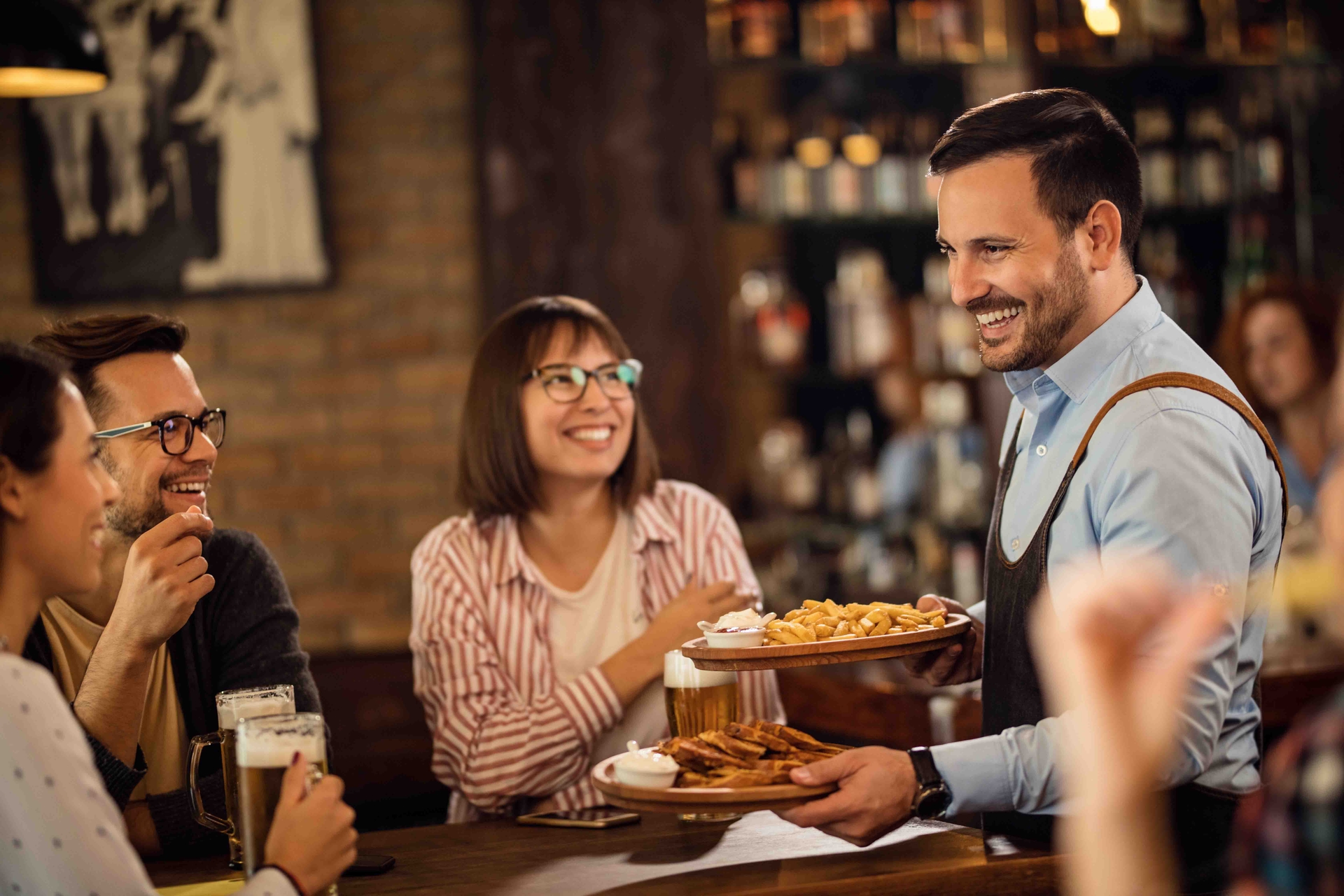
Baby boomers also value restaurants that foster leisurely conversations and unhurried service. They favour cosy interiors with a touch of history over modern minimalism. They do expect exceptional service. Vincent Guerithault, owner of the American restaurant Vincent on Camelback, enhances the Saturday experience for his patrons with an outdoor market. It features champagne, freshly baked goods, and local delicacies. Similarly, the American chain Cracker Barrel has won over boomers with its charming décor, complete with a front porch, rocking chairs, and a selection of local souvenirs, adding to the nostalgic ambiance.
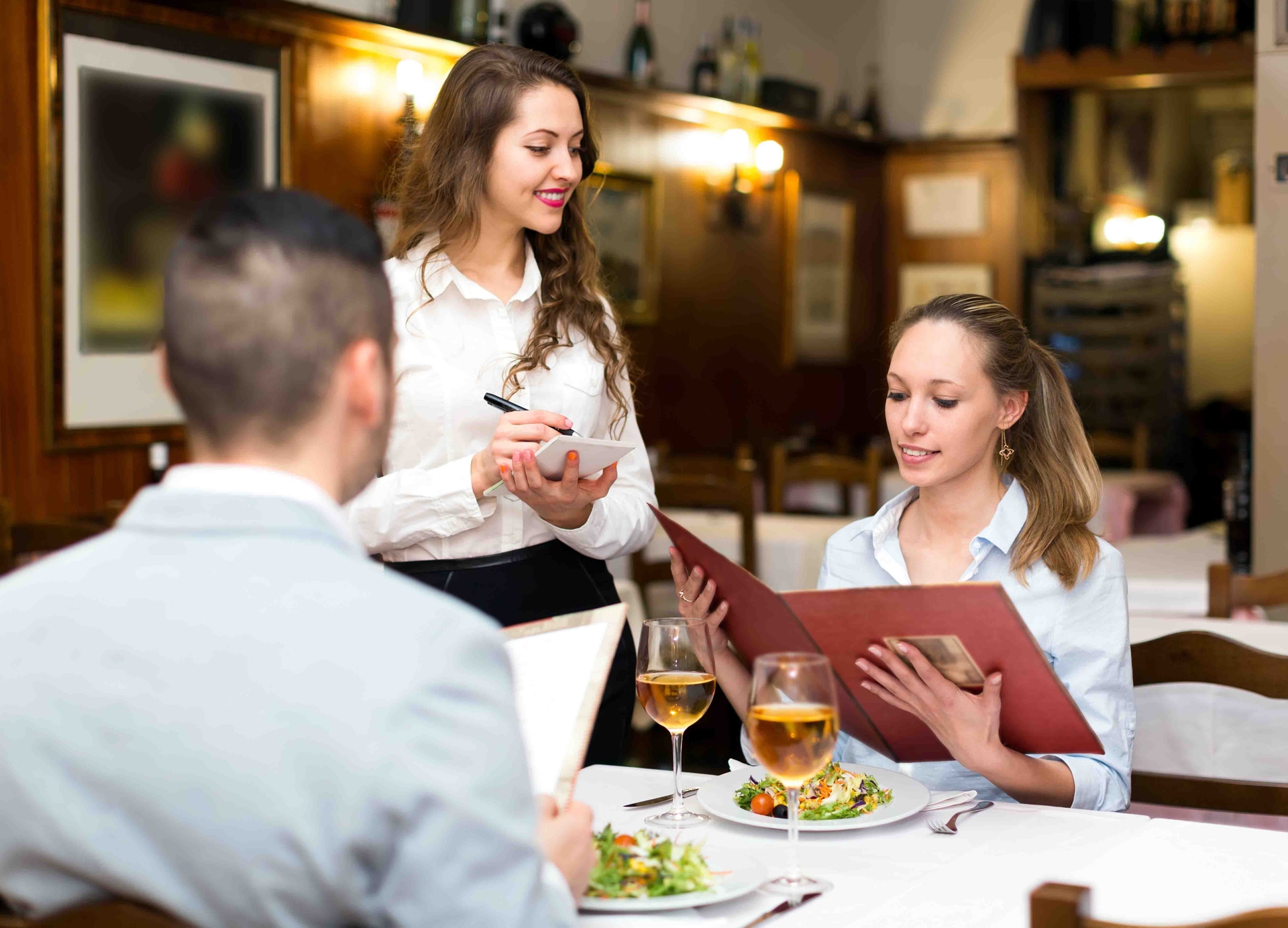
Generation X: exploring the new frontier
The generation born between 1965 and 1980 straddles the analogue and digital divide, respecting tradition while also embracing new experiences. They value convenience and are open to trying new things, often relying on word-of-mouth recommendations. Interestingly, they don't shy away from chain cafes. They actively engage with Facebook yet tend to share less about their activities. Restaurants and cafes can leverage targeted advertising and content to reach this demographic effectively. They typically tip less generously than boomers.
Openness
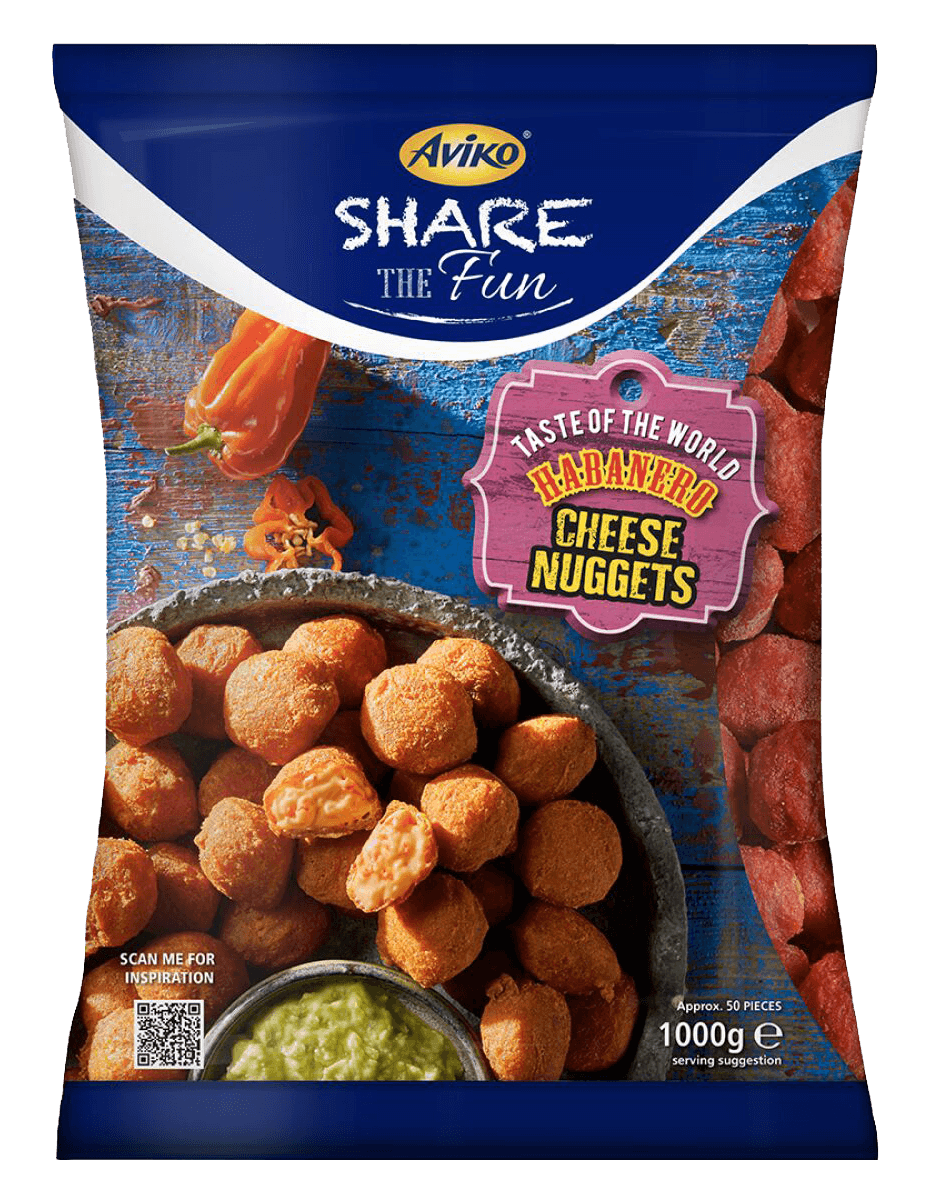
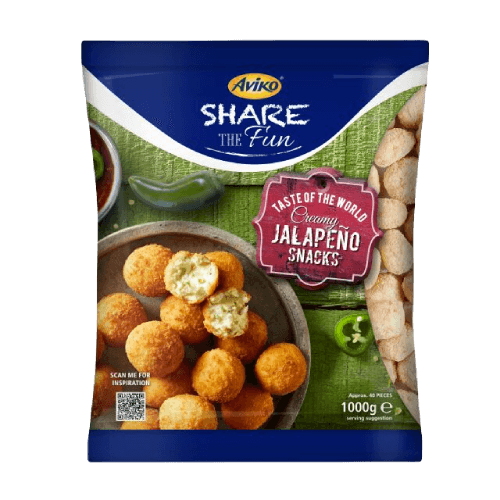
They are the first generation to witness the world opening up before them. Known as "Gen X" they spearheaded the trend of embracing diverse ethnic cuisines. Seeking authenticity in their dining experiences, they gravitate towards establishments cherished by locals for its genuine fare. {You can add here a restaurant example from your country} In Buenos Aires, Corte Comedor restaurant reigns supreme, focusing on transparency in its offerings. Here, meat isn't just a dish—it has an identity and a story. Sourced directly from producers, guests can learn about its breeding, feeding, and farming conditions. A trio of unique sausages, featuring jalapeno peppers, green curry paste, and chili mirasol, has become a particular favourite among patrons.
Health and environmental awareness
This generation was the pioneer in prioritizing healthy eating habits, sparking a trend toward introducing alcohol-free drinks in more and more establishments. The rising popularity of mocktails is exemplified by London's Club Soda, boasting a selection of nearly four hundred 0% liquors. They appreciate organic, unprocessed, and sustainably grown products. This ethos drew them to Rustik Fork restaurant in Riverside, California, where an open kitchen, a bar featuring locally sourced craft beer, and a dining room adorned with rustic décor create an inviting atmosphere aligned with their values.
Culture and society
For Gen X representatives, a meal is just an excuse to socialize. The interior of the establishment and its atmosphere is as important as the menu. They appreciate places that offer something more than a meal, such as theme nights or workshops. They are eager for alcohol free drinks, but also appreciate wine offerings, such as at the Australian restaurant BridgeWater Inn. The Ming Pavilion restaurant in Hong Kong also has a good reputation, with Gen X praising it for recipes passed down from generation to generation.